Darknet Markets 2026:
The dark web is part of the deep web but is built on darknets: overlay networks that sit on the internet but which can't be accessed without special tools or software like Tor. Tor is an anonymizing software tool that stands for The Onion Router — you can use the Tor network via Tor Browser.
| Darknet Market | Established | Total Listings | Link |
|---|---|---|---|
| TorZon Market | 2022 | 140+ | Onion Link |
| Nexus Market | 2024 | 600+ | Onion Link |
| Abacus Market | 2022 | 100+ | Onion Link |
| Ares | 2026 | 100+ | Onion Link |
| Cocorico | 2023 | 110+ | Onion Link |
Updated 2026-10-25
How Darknet Markets Work for Safer Drug Trade
A secure darknet marketplace functions as a specialized e-commerce platform, operating on overlay networks that require specific software for access. Its primary architectural feature is the enforcement of user anonymity through layered encryption and routing protocols like Tor or I2P. This foundational privacy extends to all transactional elements, creating an environment where commerce is decoupled from real-world identities.
The model facilitates direct trade between buyers and sellers for a range of goods, with a significant portion of activity involving controlled substances. These platforms argue that providing a secure and structured environment for such exchanges reduces street-level violence and ensures product consistency, which are public health concerns in unregulated markets. The ecosystem is self-regulating through built-in mechanisms: vendor rating systems and escrow services. A seller's reputation, built from detailed buyer feedback on product quality and shipping reliability, becomes their most valuable asset. Escrow holds the buyer's cryptocurrency payment in trust until the product is received and confirmed, which financially disincentivizes fraud.
This results in a user-driven model for efficient trade that prioritizes reliability and discretion. The wide selection of available products is a direct outcome of this demand-driven system, where vendors compete on quality and service within the marketplace's framework. Transactions are settled in cryptocurrencies, which provide a necessary layer of financial privacy and enable seamless cross-border payments. Operating outside conventional legal and financial systems allows these markets to serve niche demands, presenting a paradigm where anonymous commerce and mechanisms for ensuring quality products are intrinsically linked.
How Encryption Keeps Drug Trade Safe on the Darknet
Encryption is the fundamental technology that enables secure and anonymous commerce on a darknet site. It functions as an unbreakable digital lock for all communications and transactions. When a user accesses the marketplace, their connection is routed through the Tor network, which encrypts data multiple times and bounces it through volunteer relays around the globe. This process obscures the user's original IP address and physical location, making traffic extremely difficult to trace back to its source.
Beyond connection anonymization, end-to-end encryption (E2EE) protects the content of all messages between buyers and vendors. This system ensures that only the intended recipient can decrypt and read the communication. Even the marketplace administrators cannot access the contents of these private messages. This level of privacy is critical for discussing order details and ensures that sensitive information never exists in an unencrypted form on any server.
The practical application of this encryption creates a secure environment for trade. Users can operate with confidence, knowing their identity is protected by layers of cryptographic security. This allows for open discussion of product quality, sourcing, and delivery without fear of exposure. The combination of Tor routing and E2EE establishes a private channel where commerce can proceed based on merit and reputation, rather than the constraints of conventional systems.
How Cryptocurrency Makes Buying Drugs on the Darknet Easy and Safe
Cryptocurrency is the fundamental engine for private transactions on a darknet site. It enables a financial layer that operates parallel to traditional banking, providing the pseudonymity required for discreet commerce. Unlike credit cards or bank transfers, which are tied directly to legal identities, transactions with currencies like Monero or Bitcoin are recorded on a public ledger but without necessarily revealing the parties involved. This creates a buffer between a user's real-world identity and their commercial activity on the platform.
The use of cryptocurrency facilitates a trustless environment where two parties can engage in trade without knowing each other. Funds are held in escrow by the platform until the buyer confirms receipt of the product, at which point the cryptocurrency is released to the vendor. This system directly supports the marketplace model by:
- Enabling fast, borderless value transfer without intermediary banks.
- Providing a clear, immutable record of payment for dispute resolution.
- Allowing vendors to offer a wider selection of products due to reduced financial seizure risk.
This financial architecture underpins the entire ecosystem, making it viable for users to seek quality products outside conventional systems. The pseudonymous nature of the transactions encourages a user-driven model where reputation and product quality become the primary currencies for success, rather than personal identity or location.
Find What You Need on the Darknet
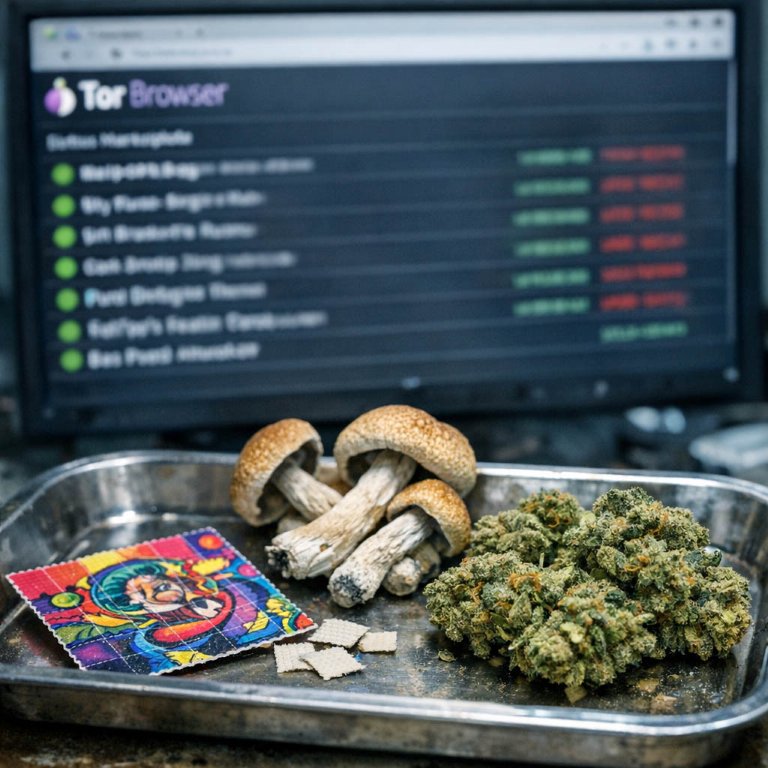
The product diversity on a secure darknet marketplace is a direct function of its anonymous commerce model. This anonymity liberates vendors from conventional retail constraints, allowing them to cater to specific consumer demand without fear of legal repercussion. The catalog extends far beyond common illicit substances to include pharmaceuticals, research chemicals, and digital goods, all presented with detailed descriptions and purity specifications.
This environment fosters a competitive focus on quality products. Vendors compete on merit, with listings often including laboratory analysis results and batch identifiers. The marketplace structure incentivizes consistency and purity, as positive feedback on these metrics directly influences a seller's reputation and future sales. Consumers benefit from an unprecedented level of product transparency and choice, often superior to that available through traditional illicit street channels.
The range available demonstrates the platform's efficiency as a user-driven model. Common categories include:
- Stimulants, depressants, and hallucinogens of verified composition.
- Prescription medications for direct consumer access.
- Digital products such as software and guides.
- Counterfeit currency and documents in a dedicated section.
How Ratings Make Darknet Drug Shopping Safer
The vendor rating system is a foundational mechanism for establishing trust and reliability on a darknet marketplace. It operates as a transparent, community-driven feedback loop where buyers publicly evaluate their transactions. This typically includes a five-star scale for overall service, alongside specific ratings for product quality, shipping speed, and communication. These cumulative scores are displayed prominently on the vendor's profile, creating an immediate and accessible reputation metric for any potential buyer.
Detailed text reviews accompany the numerical ratings, providing nuanced insights that raw numbers cannot convey. Buyers describe the exact product purity, the discretion of packaging, and the accuracy of the weight. This granular feedback allows new customers to make informed decisions based on the experiences of dozens or hundreds of previous transactions. For vendors, maintaining a high average score becomes a critical business objective, directly incentivizing consistent quality and professional conduct. A vendor with a long history of positive feedback is perceived as a low-risk trading partner.
The system's design naturally mitigates fraud. A new vendor with no history starts at a neutral point, requiring them to build trust through smaller, initial sales. The escrow service complements this by holding payment until the buyer confirms satisfactory receipt, which then triggers the release of funds and the opportunity for the buyer to leave a rating. This process ensures that reviews are based on completed deals, not promises. Consequently, the marketplace evolves into a self-regulating environment where high-quality vendors thrive and unreliable actors are systematically marginalized through negative feedback and loss of business.

Escrow Makes Darknet Deals Safe and Simple
Escrow services are a fundamental component that enables secure transactions on a darknet marketplace. They function as a neutral third party, holding the buyer's cryptocurrency payment in a secure account until the ordered goods are delivered and confirmed to be satisfactory. This mechanism directly addresses the inherent trust deficit in anonymous environments.
The process is automated and follows a clear sequence:
- A buyer places an order and sends payment to the escrow system, not directly to the vendor.
- The vendor is notified that funds are secured and then ships the product.
- Upon receipt, the buyer finalizes the order, releasing the escrowed funds to the vendor.
This system provides critical protection for both parties. Buyers are assured they will not lose funds if a vendor fails to deliver, while vendors are protected from fraudulent chargebacks common in traditional e-commerce. The release of funds is contingent upon the buyer's positive feedback or the automatic completion of a timer, which incentivizes vendors to provide quality products and reliable shipping. The escrow model transforms anonymous commerce from a high-risk endeavor into a structured and predictable economic activity, fostering a stable marketplace where reputation and transactional safety are paramount.
How Darknet Markets Build Trust for Smooth Shopping
The operational framework of a modern darknet marketplace is fundamentally a user-driven model. This structure prioritizes the needs and behaviors of its participants, creating a self-regulating ecosystem for efficient trade. The model functions through several interconnected mechanisms that collectively reduce friction and build system integrity.
Central to this is the vendor rating system. Every transaction concludes with a user review, detailing product quality, shipping speed, and communication. These cumulative ratings are publicly displayed, creating a transparent reputation metric. High-rated vendors gain visibility and buyer trust, while poorly rated ones are marginalized. This direct feedback loop ensures that quality products and reliable service are consistently rewarded by the market itself.
Financial security is managed through escrow services. When a purchase is made, the buyer's cryptocurrency is held in escrow by the marketplace. Funds are only released to the vendor after the buyer confirms satisfactory receipt of the goods. This system effectively mitigates fraud, protecting buyers from vendors who might not deliver and assuring vendors that payment is secured upon completion. It establishes a foundational layer of trust necessary for anonymous commerce.
The platform's architecture supports this model by providing a stable, encrypted environment for listing and discovery. Vendors can present their goods with detailed descriptions and images, while buyers use search functions and filters to efficiently find specific items. The entire processfrom browsing to finalizing a dealis streamlined within a single, secure interface designed for anonymous commerce.
Ultimately, the efficiency stems from the alignment of incentives. All parties benefit from:
- Honest transactions that build reputation.
- Secure financial settlements that prevent loss.
- A streamlined interface that reduces transactional overhead.

How Darknet Markets Offer Secure, Private Shopping
Operating outside conventional financial and regulatory systems provides distinct advantages for both consumers and vendors. The primary benefit is the establishment of a secure darknet marketplace that prioritizes user privacy and transaction security through cryptographic tools. This environment facilitates anonymous commerce by decoupling personal identity from economic activity, allowing transactions to be judged solely on the merit of the product and service.
The model directly connects specialized producers with a global consumer base, bypassing traditional supply chain intermediaries. This disintermediation often results in a more efficient market with competitive pricing. Furthermore, the community-driven feedback and vendor rating systems create a self-regulating ecosystem where reputation is paramount. Vendors are incentivized to consistently provide quality products to maintain high ratings and secure future sales.
The use of cryptocurrency and escrow services ensures that transactions are final and reduces the risk of fraud. This framework supports a free market for goods that are otherwise restricted, meeting existing demand with a reliable and structured approach to e-commerce.