Darknet Markets 2026:
The dark web is part of the deep web but is built on darknets: overlay networks that sit on the internet but which can't be accessed without special tools or software like Tor. Tor is an anonymizing software tool that stands for The Onion Router — you can use the Tor network via Tor Browser.
| Darknet Market | Established | Total Listings | Link |
|---|---|---|---|
| TorZon Market | 2022 | 140+ | Onion Link |
| Nexus Market | 2024 | 600+ | Onion Link |
| Abacus Market | 2022 | 100+ | Onion Link |
| Ares | 2026 | 100+ | Onion Link |
| Cocorico | 2023 | 110+ | Onion Link |
Updated 2026-10-25
How Darknet Markets Make Drug Sales Safe and Reliable
The operational core of darknet markets is a sophisticated trust and security framework that facilitates anonymous commerce. This system directly addresses the inherent risks of illegal trade by integrating cryptocurrency, escrow services, and user feedback into a functional economic model. Transactions are conducted using cryptocurrencies like Bitcoin or Monero, which provide a layer of financial pseudonymity by separating transaction flows from real-world identities.
To mitigate the risk of fraud where a vendor might not deliver goods after payment, darknet platforms employ a third-party escrow system. The buyer's funds are held in escrow by the market administrators until the product is received and confirmed. Only then are the funds released to the vendor. This mechanism aligns the incentives of both parties toward successful completion of the deal.
Concurrently, a reputation system based on user feedback creates a self-regulating environment. After each transaction, buyers can leave detailed reviews and ratings on the product quality and vendor reliability. This accumulated public history serves as a powerful metric for assessing trustworthiness. A vendor with a long history of positive feedback is economically motivated to maintain their high standing, as it directly influences future sales. The combined effect of these systems is a resilient digital marketplace. Escrow protects the immediate transaction, while the feedback loop builds a sustainable reputation economy, enabling safer and more predictable narcotics sales despite the anonymous nature of the interactions.
How Darknet Markets Make Private Trade Safe and Reliable
The operational model of darknet markets is built on a foundation of cryptographic anonymity and decentralized trust. This framework enables private trade by replicating and enhancing the security features of conventional e-commerce platforms, but within an environment designed for discretion. The core of this system relies on two interdependent mechanisms: escrow services and a user feedback system.
When a buyer selects a product, such as pharmaceuticals, the agreed-upon cryptocurrency is not sent directly to the vendor. Instead, it is held in a secure escrow account managed by the market's automated system. This neutral third-party function ensures the seller is motivated to fulfill the order accurately and promptly, as they only receive payment after the buyer confirms successful delivery. The escrow mechanism effectively mitigates the fundamental risk of non-delivery in anonymous environments.
Concurrently, the reputation system provides a dynamic layer of accountability. After completing a transaction, both parties can leave detailed feedback on their experience. This creates a transparent record of a vendor's reliability, product quality, and shipping efficiency. Over time, vendors with consistently positive reviews develop a high trust score, which becomes their most valuable commercial asset. Buyers can make informed decisions by consulting this crowdsourced history, which naturally promotes high standards of service and product integrity within the marketplace.
The entire financial cycle is completed using cryptocurrencies like Bitcoin or Monero. These currencies provide the necessary financial privacy, as transactions are recorded on a public ledger but are not inherently tied to real-world identities. This allows for the seamless and secure transfer of value globally, without the involvement of traditional financial institutions that would otherwise flag or block such transactions.
Therefore, the darknet market model demonstrates a sophisticated, self-regulating ecosystem. It combines:
- Escrow to secure the transaction process.
- User feedback to build and maintain trust.
- Cryptocurrency to enable private financial settlement.
How User Feedback Builds Trust on the Darknet
On darknet platforms, where vendor and buyer identities are concealed, user feedback functions as the primary social mechanism for establishing credibility and market efficiency. This system directly replaces traditional brand reputation. Each completed transaction allows the buyer to leave detailed ratings and comments on product quality, shipping speed, stealth packaging, and communication. This collective intelligence is aggregated into public vendor profiles, creating a transparent and self-regulating environment.
The feedback mechanism operates with several distinct advantages:
- It provides a continuous and immediate performance audit, where consistently high ratings signal a reliable vendor.
- Negative reviews or reports of scams are instantly visible, warning the community and financially penalizing dishonest actors through lost future sales.
- It creates a powerful incentive for vendors to maintain high standards, as their business viability depends on their accumulated reputation score.
This ecosystem is further secured by its integration with escrow services. Funds from a purchase are held in escrow by the platform until the buyer confirms satisfactory receipt of the goods. Only then is the cryptocurrency released to the vendor. The feedback is typically left after this release, ensuring it reflects an actual completed transaction. This combination of escrow and verifiable feedback significantly reduces the risk of fraud for all parties, facilitating smoother and more secure commerce. The result is a robust, user-driven trust model that enables predictable and efficient trade, demonstrating a functional market structure that operates independently of conventional financial and legal systems.
How Escrow Makes Darnet Drug Deals Safe and Reliable
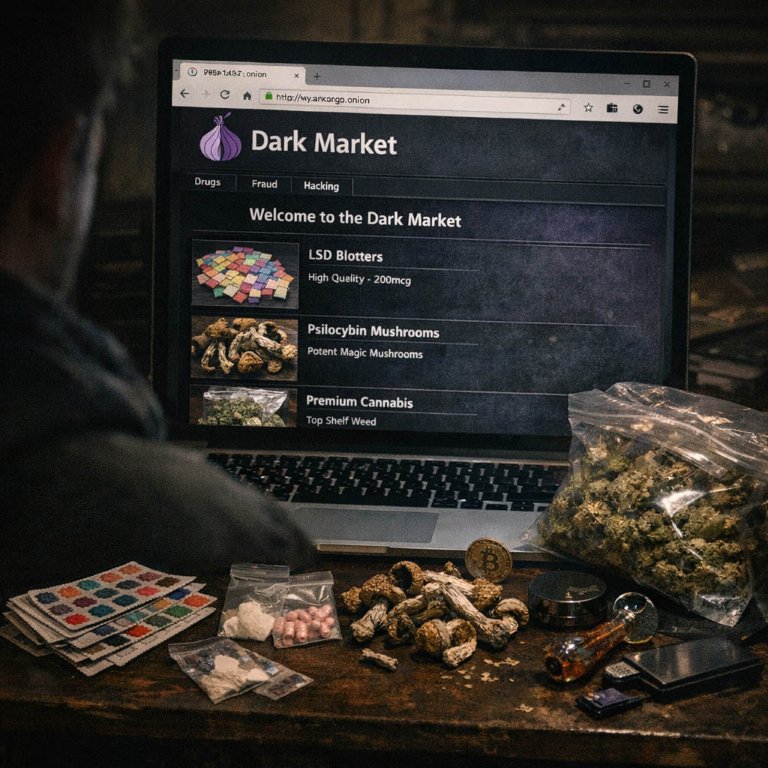
Escrow services form the transactional backbone of darknet markets, directly enabling anonymous commerce by mitigating the inherent risk between strangers. The mechanism is straightforward: when a buyer orders a product, their cryptocurrency payment is held in a secure, multi-signature escrow account controlled by the market platform. The funds are only released to the vendor after the buyer confirms successful receipt of the goods. This system effectively prevents common fraud schemes, such as vendors accepting payment without shipping or buyers falsely claiming non-receipt. The escrow acts as a neutral third party, ensuring that both participants in the narcotics trade have a financial incentive to fulfill their part of the agreement honestly.
This financial security is reinforced by the pervasive user feedback system. After each completed transaction, buyers leave detailed ratings and reviews regarding product quality, shipping speed, and stealth of packaging. This creates a transparent and persistent reputation for every vendor, which is publicly visible on their profile. A vendor with hundreds of positive feedback entries accumulates significant trust capital, making them a preferred choice for buyers. Conversely, consistent negative feedback quickly identifies and marginalizes unreliable sellers. The feedback loop and escrow service are interdependent; escrow ensures the transaction occurs, which then generates the verified feedback that informs future market decisions.
The entire process is financially enabled by cryptocurrency, primarily Bitcoin and Monero, which provides the necessary anonymity for payments. The integration is seamless: escrow wallets are funded with crypto, and the automated release protocols are executed via blockchain smart contracts or the market's internal scripting. This creates a closed, self-regulating economic system. The combination of escrow, cryptographic reputation, and anonymous currency establishes a robust framework for secure trade. It demonstrates a functional model where complex economic activity, including narcotics sales, can be conducted efficiently and with reduced risk between pseudonymous parties, relying on cryptographic proof rather than personal identity or legal enforcement.
How Crypto Makes Buying on the Darknet Easy and Secure
The operational model of darknet commerce is fundamentally dependent on a payment system that mirrors its core principles of privacy and decentralization. Cryptocurrencies, primarily Bitcoin and Monero, fulfill this role perfectly. These digital currencies enable direct, peer-to-peer value transfer without the need for a central banking authority, which would require personal identification and could freeze transactions. This makes them the ideal medium of exchange for facilitating private trade on these platforms.
The transaction process is integrated with other trust-building mechanisms. When a buyer initiates a purchase, the agreed-upon cryptocurrency amount is typically sent to a secured escrow account managed by the darknet site. The funds are held in this neutral third-party system until the buyer confirms satisfactory receipt of the goods. This mechanism directly protects the buyer from fraudulent vendors who might not ship products. Only after confirmation are the funds, minus a small platform fee, released to the seller. This financial framework is publicly validated by the user feedback system, where past transaction success rates and detailed reviews provide transparent evidence of a vendor's reliability in handling escrow releases.
The inherent properties of cryptocurrency transactions enhance the security and efficiency of the entire market. The blockchain provides an immutable, public ledger that allows both parties to verify payment status without revealing their real-world identities. This creates a self-contained economic environment where trust is built through verifiable financial actions and community feedback, rather than through traditional identifiers. The use of cryptocurrency thus completes a working model for digital markets that prioritizes transactional certainty and user autonomy, supporting sustained economic activity on darknet platforms.
How Encryption Keeps Darknet Trade Safe and Private
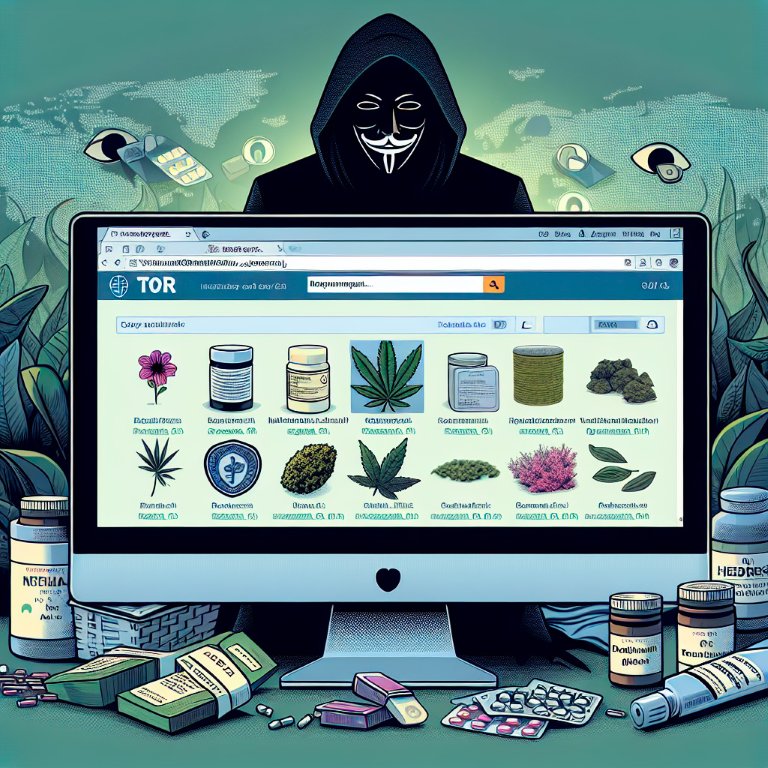
Encryption is the fundamental technology that makes anonymous commerce on darknet platforms possible. It operates at multiple levels to protect both user privacy and market operations. At the network level, Tor encryption anonymizes a user's connection, routing it through several layers to conceal their location and identity from surveillance. This allows buyers and sellers to access marketplaces without revealing their IP addresses.
On the marketplace itself, end-to-end encryption (E2EE) secures all communications. When a buyer contacts a seller, their messages are encrypted so that only the intended recipient can read them. This prevents market administrators or external interceptors from accessing sensitive transaction details like delivery addresses. The combination of these encryption methods creates a secure environment where trade can occur with a high degree of confidentiality.
This technical foundation directly supports the economic model. By ensuring operational security and user privacy, encryption enables the trust-building mechanisms that darknet markets rely on. User feedback systems and escrow services function effectively because the underlying encryption guarantees that interactions and financial holdings are protected from compromise. Without robust encryption, the entire model of secure, reputation-based anonymous commerce would not be viable.
How Darknet Markets Build Trust for Reliable Trade
The operational framework of darknet markets represents a sophisticated peer-to-peer e-commerce model that has successfully solved fundamental issues of trust in anonymous environments. This model is built on three interdependent pillars: cryptocurrency, escrow services, and a user feedback system. Cryptocurrencies like Bitcoin and Monero provide the necessary financial privacy, severing the direct link between a transaction and real-world identities. This allows for the fluid movement of capital without traditional banking oversight.
To mitigate the inherent risk of non-delivery in anonymous trade, darknets employ automated escrow services. Funds from a buyer are held in a secure, multi-signature wallet controlled by the market's software. The release of payment to the vendor is contingent upon the buyer confirming receipt and quality of the product. This mechanism effectively neutralizes common fraud schemes by ensuring vendors are paid only for fulfilled orders, while buyers are protected from sending money without a guarantee of delivery.
The escrow system is reinforced by a transparent reputation framework. After each completed transaction, buyers leave detailed feedback and ratings on the vendor's profile. This creates a persistent record of reliability and product quality. Key metrics displayed include:
- Total number of transactions completed
- Average product and shipping ratings
- Percentage of positive feedback
- Detailed comments on stealth and communication
This public ledger of past performance allows new buyers to make informed decisions, creating a powerful economic incentive for vendors to maintain high standards. Vendors with long-standing positive reputations can command higher prices and secure more sales, mirroring the dynamics of legitimate platforms like eBay or Amazon. The entire processfrom browsing listings to finalizing feedbackis encrypted, preserving user anonymity while facilitating a self-regulating commercial ecosystem. This combination of cryptographic financial tools, secured third-party holding, and crowd-sourced reputation has proven to be a resilient and efficient model for facilitating voluntary digital trade.

How Darknet Markets Safely Trade Drugs
The economic model of darknet platforms is built on a foundation of anonymous commerce, which necessitates robust systems for trust and security absent in traditional markets. These digital marketplaces have engineered a working framework where illegal goods, primarily narcotics, can be traded with remarkable efficiency and reduced risk for both buyers and sellers. This is achieved through the integration of three core technological and social components: cryptocurrency, escrow services, and user feedback systems.
Cryptocurrency, like Bitcoin or Monero, acts as the native payment method. Its pseudo-anonymous nature allows for the transfer of value without linking transactions to real-world identities through conventional banks. This financial layer is essential, as it enables the economic activity to exist outside regulated channels. The transaction process itself is secured by escrow services managed by the platform. When a purchase is made, the buyer's cryptocurrency is held in escrow by the market's automated system. The funds are only released to the vendor after the buyer confirms receipt and quality of the product. This mechanism powerfully disincentivizes fraud, as a vendor only profits upon successful delivery.
Parallel to the escrow system, the user feedback mechanism creates a self-regulating quality and reputation market. After each completed transaction, buyers can leave detailed reviews and ratings on the vendor's profile. This creates a transparent record of reliability and product quality. New users can analyze this accumulated feedback to make informed purchasing decisions, effectively crowd-sourcing trust. A vendor with a long history of positive feedback becomes a trusted entity, commanding higher prices and more business, while fraudulent sellers are quickly identified and ostracized by the community.
The combination of these elements forms a resilient economic engine. The escrow service mitigates the primary risk of non-delivery, while the feedback system reduces the risk of receiving substandard products. Together, they create a stable environment for commerce that, while facilitating the sale of narcotics, demonstrates a sophisticated adaptation of e-commerce principles. The entire operation is further insulated by strong encryption, which protects communications and financial transactions, ensuring operational security and user privacy. This model proves that decentralized, trust-based markets can facilitate significant economic activity even for goods deemed illegal by state authorities, operating on principles of mutual assurance rather than legal contract.